
Carrinho (0)
Fechar
The impact of luck versus skill in gambling
The Role of Luck in Gambling
Luck is often hailed as the primary driver behind gambling outcomes, influencing everything from the spin of the roulette wheel to the roll of dice. In many games, the element of chance can overshadow skill, making the outcome unpredictable and exhilarating. For instance, in games like slots or lottery games, players are largely at the mercy of random number generators and other chance-driven mechanisms. This reliance on luck can lead to substantial wins or devastating losses, creating an emotional rollercoaster that many find alluring, particularly when they explore options like bodylabyrinth.co.uk to enhance their experience.
Moreover, the unpredictability of luck contributes significantly to the appeal of gambling. Players often enter the gaming environment with the hope of hitting it big through sheer fortune. This aspect engenders excitement, as players find themselves captivated by the possibility of an unexpected windfall. The thrill of uncertainty in gambling is intoxicating and can sometimes lead players to chase after losses in the hopes of reversing their fate, demonstrating how powerful the allure of luck can be.
However, attributing success solely to luck overlooks the complexity of gambling as an activity. While luck plays a significant role in the immediate outcome of individual bets, it is critical to understand how this element interacts with the skill component over time. This interplay determines how players navigate their gambling habits, highlighting the delicate balance between fortune and tactical decision-making.
The Importance of Skill in Gambling
In contrast to luck, skill encompasses the understanding of game mechanics, strategies, and the psychological elements of gambling. Games such as poker or blackjack require players to make informed decisions based on their understanding of the game, opponents’ behaviors, and probability. Skilled players employ strategies that increase their chances of winning, such as card counting in blackjack or reading body language in poker. By mastering these skills, players can significantly tilt the odds in their favor.
Skill is not merely about understanding rules; it is also about adapting to dynamic situations in real-time. For example, in poker, a player’s ability to bluff or read the table can make a significant difference in their overall success. This strategic thinking transforms the game into an intellectual challenge, where players must outsmart one another rather than relying solely on luck. Consequently, over time, players who develop their skills are likely to see more consistent success compared to those who rely on random chance alone.
Furthermore, skilled gambling can lead to more responsible gaming habits. Players with a strong grasp of the mechanics of their chosen games are better equipped to set limits and recognize when a game is becoming detrimental. This capability fosters a healthier relationship with gambling, as it enables players to approach it with a more analytical mindset rather than being swept away by the highs and lows of luck.
The Balance Between Luck and Skill
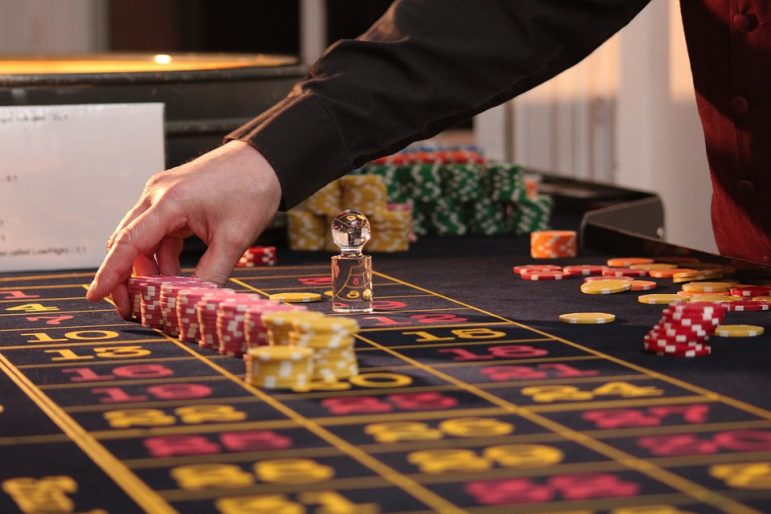
In the complex world of gambling, luck and skill often coexist, creating a unique blend that shapes player experiences. Many games are designed with varying degrees of both elements. For example, while games like roulette purely rely on luck, others like poker blend skill and luck, as players must make decisions while also facing the uncertainty of card draws. This interplay can significantly affect how players perceive their own success or failure.
The balance between luck and skill also extends to how casinos design their games. Games that are skill-based tend to engage players for longer periods, as individuals enjoy testing their abilities and strategies against both the house and other players. In contrast, purely chance-based games might attract those looking for quick thrills without deep engagement. Recognizing this balance helps both players and casinos cater to their respective preferences.
Ultimately, understanding the relationship between luck and skill also influences gambling strategies. Players who recognize the role of luck may choose to play conservatively, while those who are skilled might pursue aggressive strategies, knowing they can manage the luck element through informed choices. This comprehension allows players to find their own approach, tailoring their gambling experiences to maximize enjoyment and, potentially, their success.
The Psychological Impact of Luck and Skill
The psychological impact of luck versus skill in gambling can be profound, influencing not just how players approach games but also how they cope with wins and losses. Luck can evoke intense emotions, often leading to a sense of euphoria when a player wins unexpectedly, or frustration when luck turns against them. This rollercoaster of emotions can lead to addictive behaviors if not managed carefully, as the thrill of winning becomes a powerful motivator to continue gambling, regardless of the consequences.

Skill, on the other hand, brings a different psychological dynamic. Players who rely on their skills often experience a sense of control over their gambling outcomes. This perception can enhance their confidence, leading to a more enjoyable experience and a lesser likelihood of developing problem gambling behaviors. Developing skills can provide a player with a sense of belonging within the gambling community, as they engage with others and share strategies and experiences, bolstering their social connections.
Additionally, the acknowledgment of both luck and skill can help players maintain a balanced perspective on gambling. Recognizing that luck can be fleeting while skill can lead to longer-term success encourages players to view gambling as a blend of entertainment and strategy. This insight promotes healthier gaming habits and fosters a greater appreciation for the intricacies involved in various forms of gambling.
Conclusion: Navigating the Gambling Landscape
In summary, the interplay between luck and skill in gambling creates a multifaceted experience that influences how players engage with games. While luck offers immediate thrills and unpredictability, skill provides players with a means to enhance their strategies and manage their risks. Understanding this balance empowers players to make informed choices, whether they are playing for fun or aiming for serious winnings.
As the gaming industry continues to evolve, the significance of both luck and skill remains paramount. Players who recognize the value of skills and how they complement luck can cultivate a more enriching gambling experience, leading to entertaining moments and informed decisions. By embracing both elements, players can navigate the gambling landscape effectively, maximizing enjoyment and minimizing the pitfalls associated with chance-based activities.
For those looking to deepen their understanding of gambling strategies and the dynamics of luck versus skill, exploring various resources and communities can be immensely beneficial. Engaging with like-minded individuals and delving into educational content can enhance one’s appreciation of the games while fostering responsible gaming practices. Ultimately, a balanced approach to gambling will ensure that players enjoy their experience while remaining mindful of the risks involved.